


What Is the Difference Between HDL Cholesterol and LDL Cholesterol?
Understanding the critical balance between “good” HDL and “bad” LDL cholesterol is vital for long-term cardiovascular health. At Lifeline Primary Care, Dr. Aziz Pirani, MD, and Dr. Safia Pirani, MD, specialize in comprehensive chronic care management. Through advanced diagnostic lab services, they evaluate your lipid profiles to design personalized weight management and therapeutic wellness strategies, helping lower dangerous LDL levels while boosting protective HDL cholesterol. For more information, contact us or request an appointment online. We are conveniently located at 4025 Lawrenceville Hwy Suite A, Lilburn, GA 30047.
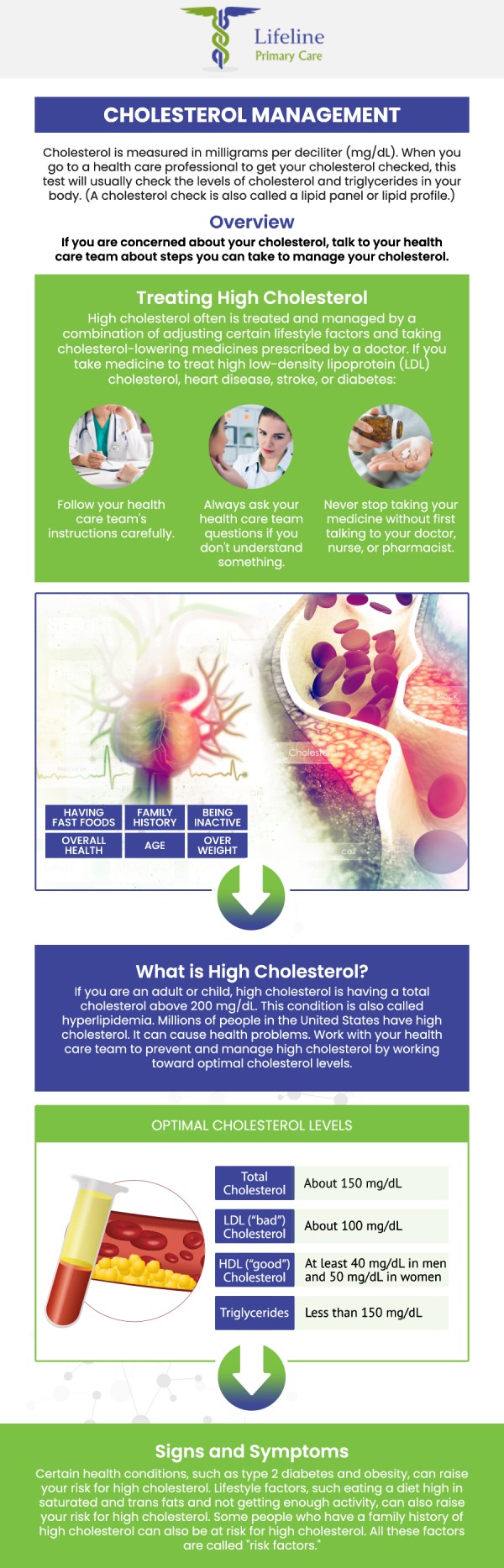
Table of Contents:
What are the main differences between HDL and LDL cholesterol?
How does HDL cholesterol benefit my health compared to LDL cholesterol?
Why is LDL cholesterol considered “bad” and HDL cholesterol considered “good”?
Can lifestyle changes help increase HDL cholesterol and decrease LDL cholesterol?
How Can Lifeline Primary Care Help You Manage Your Cholesterol Levels?
At Lifeline Primary Care, we are dedicated to helping you understand and manage your cholesterol levels as an essential part of your overall health. Cholesterol comes in different forms, but two of the most important types are HDL and LDL.
HDL (high-density lipoprotein), often called “good” cholesterol, plays a protective role in your body. HDL helps remove excess cholesterol from your bloodstream and transports it to the liver, where your body can process and eliminate it. By doing so, HDL helps reduce the risk of cholesterol buildup in your arteries and lowers your chances of heart disease and stroke.
LDL (low-density lipoprotein), or “bad” cholesterol, works differently. It carries cholesterol from the liver to your cells, but too much LDL can lead to cholesterol deposits on the walls of your blood vessels. Over time, this buildup—known as plaque—can narrow and harden your arteries (atherosclerosis), raising your risk of heart attacks and other serious cardiovascular conditions.
At Lifeline Primary Care, we emphasize the importance of maintaining a healthy balance between HDL and LDL cholesterol. Through regular check-ups, personalized lifestyle advice, and, when necessary, medication management, our team will work closely with you to protect your heart health and reduce your long-term risk of cardiovascular disease.
At Lifeline Primary Care, your heart health is one of our top priorities. One important aspect of cardiovascular wellness is managing your cholesterol levels—specifically HDL and LDL cholesterol.
HDL cholesterol, often called the “good” cholesterol, plays a crucial role in protecting your heart and blood vessels. It helps transport excess cholesterol away from your arteries and back to your liver, where it can be processed and eliminated from the body. This natural process helps prevent cholesterol from building up in your artery walls, which reduces your risk of developing atherosclerosis, heart attacks, and strokes.
On the other hand, LDL cholesterol—the “bad” cholesterol—can deposit cholesterol onto your artery walls. Over time, these deposits may form plaques that narrow or harden your arteries, making it harder for blood to flow and increasing your risk of cardiovascular disease.
At Lifeline Primary Care, we work with you to maintain a healthy balance of cholesterol. Higher levels of HDL are associated with a lower risk of heart disease, while high LDL levels increase your risk. Through regular check-ups, personalized lifestyle recommendations, and, when necessary, medication management, we help you keep your cholesterol in check—protecting your heart and supporting your overall well-being.
LDL cholesterol, often called “bad” cholesterol, plays a major role in transporting cholesterol from the liver to the rest of your body. When LDL levels are high, cholesterol can build up on the walls of your arteries, causing them to narrow and harden—a condition known as atherosclerosis. Over time, this increases your risk of heart attacks and strokes.
HDL cholesterol, known as “good” cholesterol, helps protect you by collecting excess cholesterol from your bloodstream and artery walls and returning it to your liver, where it can be processed and removed from your body. This helps keep your arteries clear and reduces your risk of cardiovascular disease.
How Lifeline Primary Care Can Help:
At Lifeline Primary Care, we offer comprehensive cholesterol screening and personalized care plans to help you manage your cholesterol levels. Our team will work with you to:
• Monitor your LDL and HDL cholesterol through regular blood tests
• Provide guidance on healthy eating, physical activity, and lifestyle changes
• Prescribe medications if necessary to keep your cholesterol in a healthy range
• Educate you on the importance of heart health and how to reduce your risk of complications
At Lifeline Primary Care, we believe that lifestyle changes are a cornerstone of managing your cholesterol and supporting your overall heart health. Our team is dedicated to helping you increase your HDL cholesterol (the “good” cholesterol) and lower your LDL cholesterol (the “bad” cholesterol) through practical, sustainable changes.
A heart-healthy diet is one of the most effective ways to improve your cholesterol profile. We encourage our patients to enjoy more fruits, vegetables, whole grains, and healthy fats—like those found in olive oil, avocados, and fatty fish. Cutting back on saturated fats, trans fats, and dietary cholesterol can also have a big impact on your cholesterol numbers.
Regular physical activity is another key part of our approach at Lifeline Primary Care. We recommend at least 150 minutes of moderate-intensity exercise each week, such as brisk walking, cycling, jogging, or swimming. These activities can help boost your HDL cholesterol and lower your LDL cholesterol at the same time.
Maintaining a healthy weight is also important. Our providers will work with you to develop a plan for gradual, sustainable weight loss if needed, since even modest weight loss can significantly improve your cholesterol.
Additionally, we support our patients in quitting smoking and limiting alcohol intake—both of which can further increase your HDL cholesterol and promote better heart health.
For many of our patients, these lifestyle adjustments can make a real difference in cholesterol management, sometimes reducing the need for medication. However, each person’s situation is unique. The healthcare professionals at Lifeline Primary Care will work closely with you to monitor your progress and determine whether medication is necessary based on your individual risk factors and health goals.
Understanding the critical balance between “good” HDL and “bad” LDL cholesterol is vital for long-term cardiovascular health. At Lifeline Primary Care, Dr. Aziz Pirani, MD, Dr. Safia Pirani, MD, and their team specialize in comprehensive preventive medicine and chronic care management. Through advanced diagnostic lab services, they evaluate your lipid profiles to detect underlying heart risks. The providers design personalized wellness strategies—incorporating targeted weight management, therapeutic lifestyle adjustments, and precise medical interventions—to help lower dangerous LDL levels while boosting protective HDL cholesterol, keeping your heart thriving.
If you’re ready to take charge of your heart health, schedule a visit with Lifeline Primary Care. Our team is here to provide personalized guidance and support every step of the way. For more information, contact us or request an appointment online. We are conveniently located at 4025 Lawrenceville Hwy Suite A, Lilburn, GA 30047. We serve patients from Lilburn GA, Tucker GA, Norcross GA, Lawrenceville GA, Peachtree Corners GA, Doraville GA, and surrounding cities.
Check Out Our 5 Star Reviews


Additional Services You May Need
• Sports Physical Exam
• School Physical Exam
• X-Ray
• Foreign Body Removal
• Minor Surgeries
• Confidential STD Screening
• Allergy Testing
• Immigration Physical Exams
• IUD Insertion
• DOT Physical Exam
• Knee Gel Injections
• Chronic Care Management
• Women’s Health
• Vitamin B12 Injections
• Myers Cocktail IV Therapy
• Weight Management
• Suturing Clinic
• Incision and Drainage
• Dermatological Procedures
• Skin Tag Removal
• Toenail Removal
• Biopsies
• Lab Services
• Lead Screening
• Hormone Replacement (Pellet) Therapy
• TB Screening
• Hearing/Vision Test
• EKG Services
• Spirometry Testing
• Echocardiograms
• Ultrasounds
• ABI (Circulation Test)
• Urine Drug Testing
• Nerve Conduction Studies
• Annual Physicals
• Immunotherapy
• Neuro Scans
• Employment Physicals
• Medicare Wellness Exams
• VAT/ENG Studies
• Autonomic Nervous System Scans
• Nuclear Scans
• Acute Care
• Smoking Cessation
• Immunizations
• Joint Injections
• Vaccinations
• Covid-19 Vaccines
• Nexplanon
• Primary Care
• Flu Shot

Additional Services
You May Need
• Sports Physical Exam
• School Physical Exam
• Primary Care
• X-Ray
• Foreign Body Removal
• Minor Surgeries
• Confidential STD Screening
• Allergy Testing
• Immigration Physical Exams
• IUD Insertion
• DOT Physical Exam
• Knee Gel Injections
• Chronic Care Management
• Women’s Health
• Vitamin B12 Injections
• Myers Cocktail IV Therapy
• Weight Management
• Suturing Clinic
• Incision and Drainage
• Dermatological Procedures
• Skin Tag Removal
• Toenail Removal
• Biopsies
• Lab Services
• Lead Screening
• TB Screening
• Hearing/Vision Test
• EKG Services
• Spirometry Testing
• Echocardiograms
• Ultrasounds
• ABI (Circulation Test)
• Urine Drug Testing
• Nerve Conduction Studies
• Annual Physicals
• Immunotherapy
• Neuro Scans
• Employment Physicals
• Medicare Wellness Exams
• VAT/ENG Studies
• Autonomic Nervous System Scans
• Nuclear Scans
• Acute Care
• Smoking Cessation
• Immunizations
• Joint Injections
• Vaccinations
• Covid-19 Vaccines
• Nexplanon
• Hormone Replacement (Pellet) Therapy
• Flu Shot




 Send Text
 How May I Help You?